
The 'Treat Yourself' Mindset Is Keeping You Broke
By The Lighten Debt Team
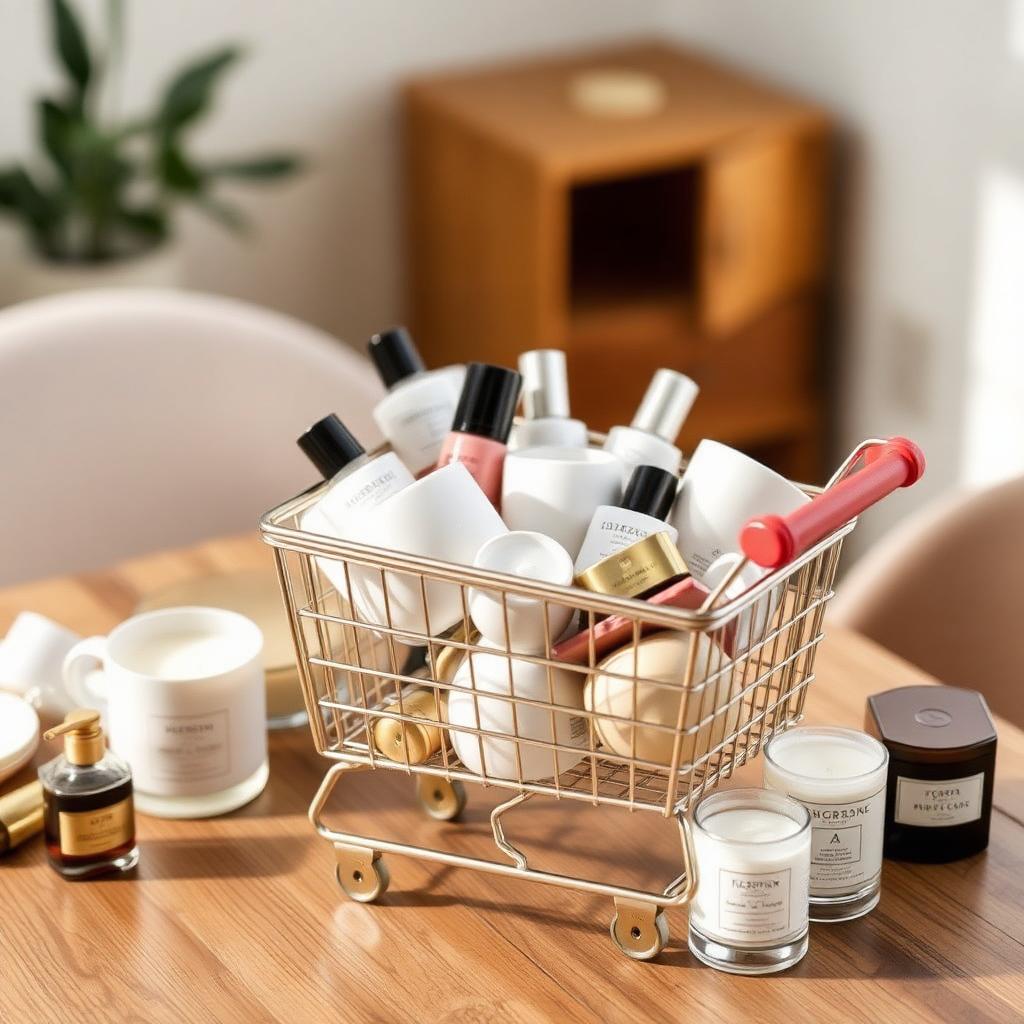
It started as a Parks and Recreation joke. Tom and Donna's "Treat Yo Self" became a generational mantra. Bad week? Treat yourself. Good week? Treat yourself. Tuesday? Treat yourself. It's harmless, it's joyful, it's self-care.
It's also one of the most expensive cultural memes ever invented — and for most households running on $4,200/month after fixed bills, it's an actual financial trap.
This is not an argument against ever enjoying your money. It's an argument against the framing.
What "treating yourself" actually costs
The math on a typical "treat yourself" pattern, mid-American income:
| Treat | Frequency | Monthly cost |
|---|---|---|
| "Hard week" takeout | 3x/month | $90 |
| "I deserve this" Amazon purchases | 4x/month avg $35 | $140 |
| "Just need a pick-me-up" coffee + bakery | 8x/month | $64 |
| "Treat day" lunch out | 2x/month | $48 |
| "Friday night I worked hard" purchase | 2x/month avg $45 | $90 |
| Self-care add-ons (candles, skincare, hobbies) | 2x/month avg $40 | $80 |
| Total monthly | $512 | |
| Annual | $6,144 |
For someone in the 22% tax bracket, you need to earn $7,800 pre-tax to fund a $6,144 "treat yourself" budget. That's roughly a month of work per year, spent entirely on rotating small dopamine purchases that nobody remembers a week later.
Why the framing is the trap
Here's the part that matters. The phrase "treat yourself" is psychologically loaded in two specific ways:
1. It positions purchases as virtuous self-care. A normal purchase has a cost-benefit analysis attached: "Do I want this enough to pay $X for it?" A "treat" bypasses that calculation entirely. The purchase is for you, to care for yourself, because you deserve it. The cost-benefit framework dissolves. The cost becomes invisible.
2. It reframes spending as the reward, not the deprivation. The natural reward of working hard is the money you earned. The "treat yourself" mindset converts that reward into "things I bought with the money I earned" — which means the money itself never accumulates. Every week's work is converted directly to consumption.
Both of these are great for retailers. Both of them are quietly catastrophic for net worth.
What's actually behind it
Real-time scans of brain activity during "treat yourself" purchases show the same dopamine-release pattern as other compulsive behaviors. The "treat" framing functions as a social permission slip to bypass impulse control.
This isn't a moral failing — it's marketing working on you exactly as designed. Every coffee app, every Sephora point system, every Target end-cap, every "you've earned this" Black Friday email is engineered to activate the treat-yourself frame.
The result: you're not deciding to buy things. You're being shown an unbroken stream of "you deserve it" cues, 14 hours a day, by systems built by behavioral PhDs.
The reframe that actually works
Real, sustainable enjoyment of money comes from a different mental model. Two specific shifts:
1. From treats to plans. Instead of: "I had a rough week. Treat yo self." Try: "This month I'm setting aside $80 for one thing I really want."
The first frame leads to 6-12 small impulse purchases. The second leads to one deliberate purchase you actually remember and enjoy. Same money. Wildly different satisfaction.
2. From self-care to actual self-care. The things that demonstrably improve mood and reduce stress, per actual research:
- Sleep
- Exercise (even 20 minutes)
- Time outside
- A meaningful conversation
- A creative activity
- Cooking a real meal
None of these cost more than $5. The marketing-driven version of "self-care" — bath bombs, candles, skincare hauls, online shopping — produces a measurable dopamine spike for about 24-72 hours and then leaves zero residual benefit. The free version produces durable mood improvements that last weeks.
If you'd told someone in 1985 that "self-care" would primarily mean buying things, they would have laughed. The fact that it does now is a marketing achievement, not a psychological one.
The honest test
For the next 30 days, every time you feel the "treat yourself" urge, ask one question:
"In two weeks, will I remember buying this?"
If yes: probably worth it. Buy it deliberately. If no: it was the urge talking, not the want. Skip it.
Most households doing this exercise honestly find that 70-85% of treat-yourself purchases fail the question. That's where the $6,000/year goes — into things you literally cannot recall buying within two weeks.
The honest sentence
You absolutely should enjoy your money. Spend on things that genuinely bring you durable joy. Plan them, anticipate them, savor them. But the version of "enjoy your money" that's been sold to you for the last decade is mostly a permission structure to convert your paycheck directly into low-grade dopamine, with $6,000/year of measurable opportunity cost.
You don't deserve the treats. You deserve the freedom that not buying them quietly builds.
This article is for educational purposes only and does not constitute legal or financial advice. Lighten Debt is not a law firm. Results vary by individual.
Get your free debt-payoff plan
Drop your email and we'll send you a simple, step-by-step plan to get out of debt — plus one short tip a week. No spam, unsubscribe anytime.
Ready to consolidate?
Stop reading about debt. Start getting out of it.
See your real consolidation options in 60 seconds. One fixed payment, a real payoff date, no credit score impact to check.
More reading
- The August Debt Challenge: 30 Days to a New Habit
You don't need a perfect plan. You need one month of proof that you can change. The 30-day August debt challenge that builds momentum fast.
- Your Tax Refund Should Go to Debt, Not a Vacation
The average $3,400 tax refund feels like a bonus. It's not. It's your money the IRS held all year. Why it should hit your debt first.