
How to Survive a Financial Emergency Without Borrowing
By The Lighten Debt Team
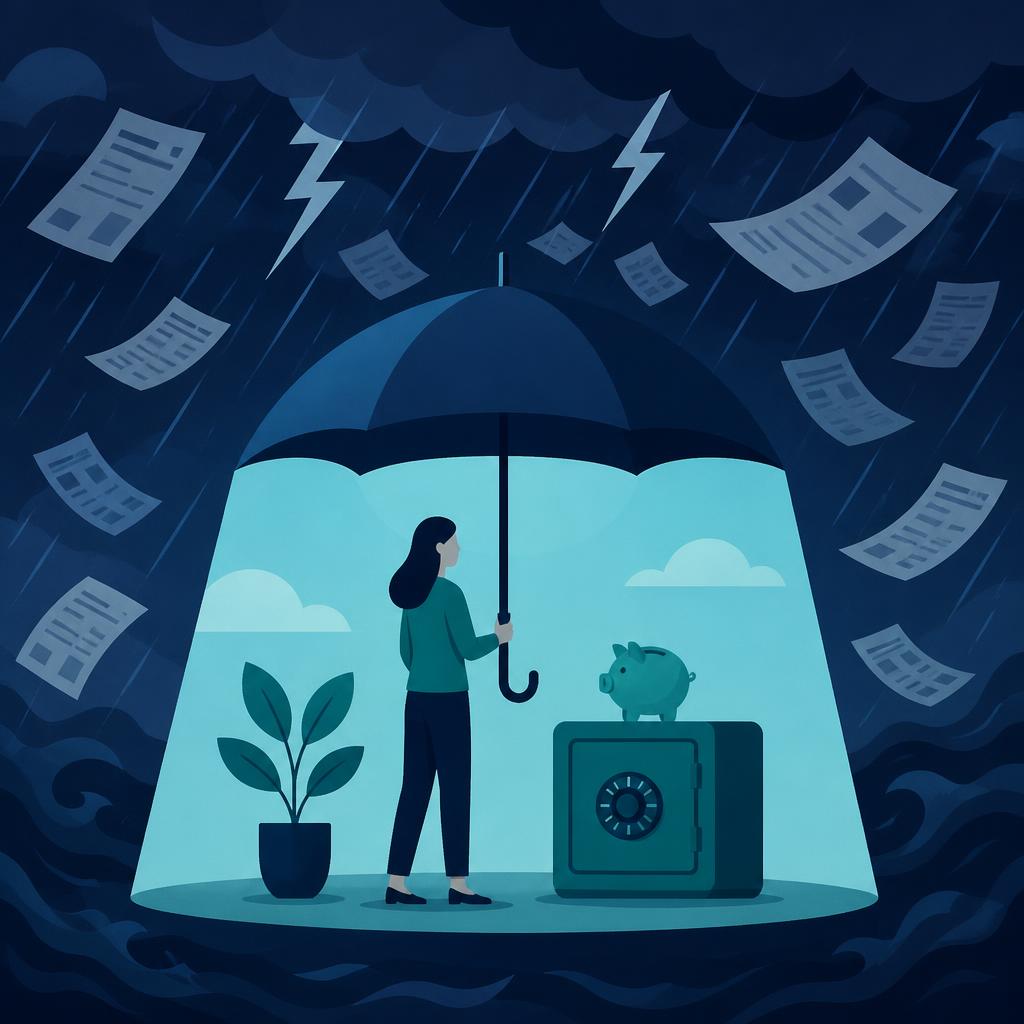
The car breaks. The fridge dies. The ER bill arrives. Your first thought is usually the credit card or a payday loan.
But most emergencies don't actually require borrowing. They require a 72-hour cash-raising sprint.
The first rule: pause the due date
Most bills can be delayed without penalty. Most people never ask.
| Bill | What to ask for |
|---|---|
| Rent | 5-day grace period, payment plan, or late fee waiver |
| Utilities | Hardship program, budget billing, delay |
| Car payment | Deferment or skip-a-payment |
| Medical | Payment plan, charity care, financial assistance |
| Credit card | Skip-a-payment, hardship program, reduced APR |
Call and ask: "I'm in a temporary hardship. What options do you have?" You'll be surprised how often there's a built-in solution.
The 72-hour cash sprint
Your goal is to cover the gap without adding debt. Here's the order:
- Sell something. Facebook Marketplace, OfferUp, pawn shops. A $200 item is $200 you don't borrow.
- Pause subscriptions. Cancel Netflix, Spotify, gym, meal kits for one month. That's $50-$200.
- Return recent purchases. Most stores take returns within 30 days. Even without a receipt, you can often get store credit.
- Pick up quick income. Gig work, plasma donation, overtime, temp shift. One weekend can cover a $500 emergency.
- Borrow from the least expensive source. A friend or family member with a written repayment plan beats a 24% credit card.
Why this matters
A $1,000 emergency paid on a credit card at 24% APR becomes $1,250 if you only pay the minimum. It becomes a 2-year debt if you pay $50/month.
The emergency is temporary. The debt doesn't have to be.
The honest read
The reason most people borrow in emergencies isn't that they have no options. It's that borrowing is the fastest option and the easiest to execute.
A 72-hour cash sprint is harder. It requires phone calls, sales, and temporary inconvenience. But it also keeps the emergency from becoming permanent debt.
If you don't have a $1,000 emergency fund, your first goal isn't to get one this week. It's to survive this emergency without borrowing, then build the fund before the next one.
This article is for educational purposes only and does not constitute legal or financial advice. Lighten Debt is not a law firm. Results vary by individual.
Get your free debt-payoff plan
Drop your email and we'll send you a simple, step-by-step plan to get out of debt — plus one short tip a week. No spam, unsubscribe anytime.
Ready to consolidate?
Stop reading about debt. Start getting out of it.
See your real consolidation options in 60 seconds. One fixed payment, a real payoff date, no credit score impact to check.
More reading
- The August Debt Challenge: 30 Days to a New Habit
You don't need a perfect plan. You need one month of proof that you can change. The 30-day August debt challenge that builds momentum fast.
- Your Tax Refund Should Go to Debt, Not a Vacation
The average $3,400 tax refund feels like a bonus. It's not. It's your money the IRS held all year. Why it should hit your debt first.